- Leather Bag Quality
- How to Identify Quality Leather Bags
- Leather Quality Guide
- Leather Bag Buying Guide
- Full Grain Leather
- Top Grain Leather
- Leather Bag Durability
- Premium Leather Bags
- Leather Craftsmanship
- Leather Goods Manufacturer
Is Expensive Leather Really Better Quality? 7 Things Every Buyer Should Know Before Buying a Leather Bag
7 Things Every Buyer Should Know Before Buying a Leather Bag
Admin··8 min read
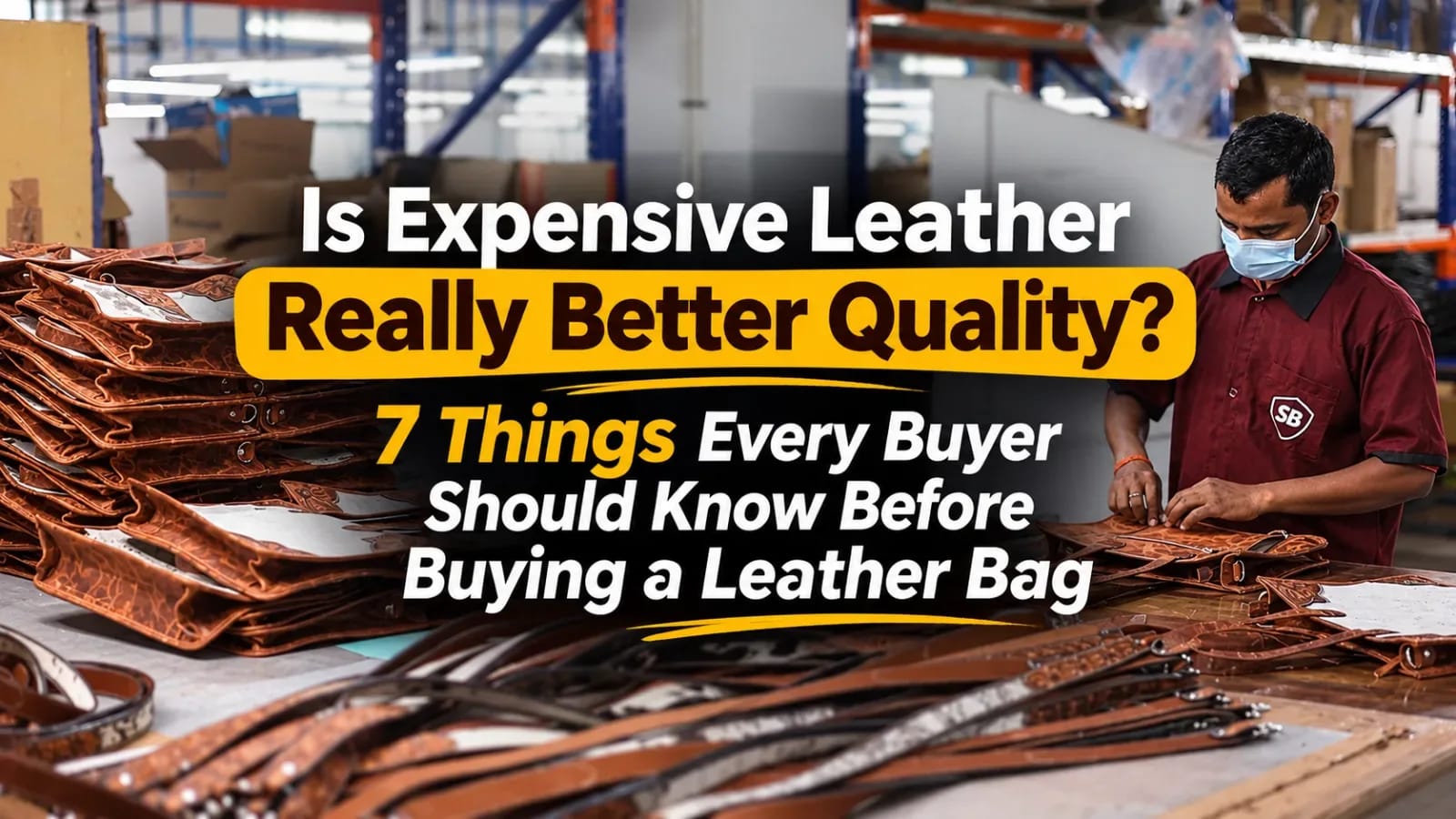
When buying a leather bag, a higher price does not always guarantee better quality. While premium leather bags can offer excellent durability, craftsmanship, and appearance, the actual value depends on several factors, including leather grade, construction, stitching, hardware, finishing and long-term performance.
For individual buyers and businesses sourcing leather products, understanding these differences makes it easier to identify quality leather bags and make informed purchasing decisions.
For fashion brands, retailers, wholesalers, and importers, these factors are especially important when selecting a reliable leather goods manufacturing partner. A well-made leather bag should combine suitable materials, consistent workmanship, functional design, and quality control rather than relying on price or brand reputation alone.
Is Expensive Leather Worth It?
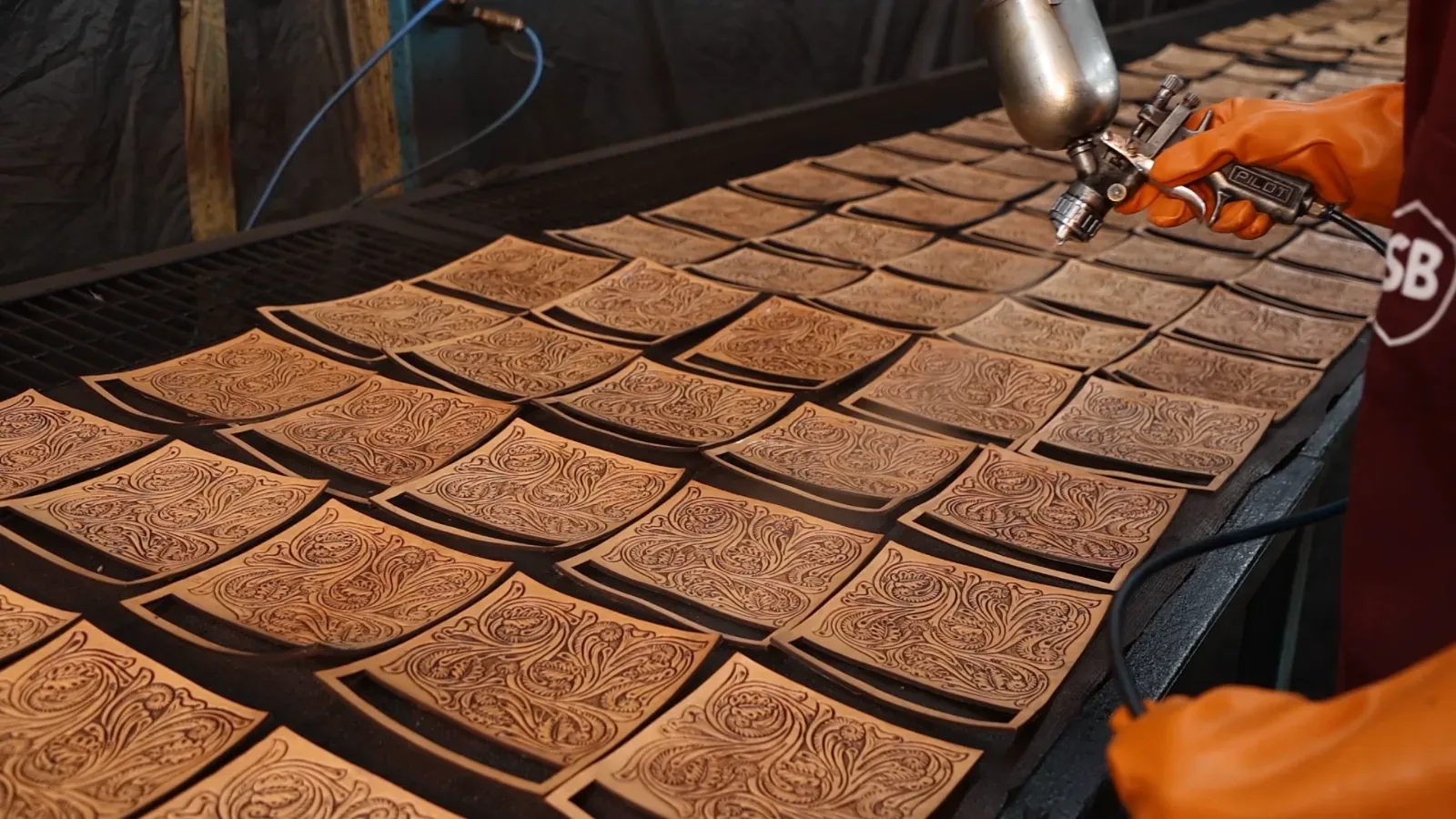
Expensive leather can be worth the investment when the price reflects better materials, skilled craftsmanship, durable components, and careful manufacturing. However, a higher price may also reflect branding, marketing, design exclusivity, or retail markups.
For example, a premium leather bag with strong stitching, reliable hardware, reinforced stress points, and a well-constructed lining may offer better long-term value than a more expensive bag with inconsistent finishing or weak components.
The key is to evaluate how the bag is made, not just how much it costs.
For B2B buyers, the same principle applies when comparing leather bag manufacturers and suppliers. Material specifications, workmanship, quality checks, production consistency, and the intended market should all influence the decision.
7 Things Every Buyer Should Know Before Buying a Leather Bag
1. Understand the Different Types of Leather
Leather type is one of the most important factors influencing a bag's appearance, performance, and price. Different leather grades and finishes offer different characteristics, so buyers should understand what they are purchasing.
Full-grain leather
Full-grain leather retains the natural grain surface and has not been sanded to remove imperfections in the same way as corrected-grain leather. It can develop a distinctive patina over time, depending on the leather and its finish.
Top-grain leather
Top-grain leather has had its outer surface processed to improve uniformity. Depending on its treatment and construction, it can provide a refined appearance and practical performance for fashion bags and accessories.
Corrected-grain leather
Corrected-grain leather has undergone surface treatment to reduce or disguise natural imperfections. It can offer a consistent appearance and is used in products where a more uniform finish is desired.
Suede leather
Suede has a soft, napped surface and a distinctive texture. Its appearance makes it suitable for selected fashion applications, although its care requirements differ from those of many smooth leather finishes.
Important: Genuine leather is a broad description, not a precise quality grade. The term alone does not establish whether a product is durable or premium.
For buyers sourcing leather bags, belts, wallets, or equestrian accessories, the best material depends on the intended application, design, performance requirements, and target price point.
2. Check the Leather Grain, Texture, and Finish
The leather surface provides useful clues about its characteristics and finishing process.
Natural grain patterns may vary from one section of a hide to another. A uniform surface can also be a deliberate result of finishing, so a consistent appearance does not automatically mean the leather is artificial or inferior.
When assessing a leather bag, look for:
- A finish that is consistent with the product specifications.
- No unexplained peeling, flaking, or cracking.
- A surface appropriate for the intended use.
- Consistent colour and finish across visible panels.
- Clear information about the leather type and surface treatment.
Buyers should also consider how the leather responds to everyday handling and environmental exposure. Performance depends on the leather itself, its finish, construction, and maintenance.
For brands developing private-label collections, approving material samples before production can help establish the required appearance and consistency.
3. Examine the Stitching and Construction
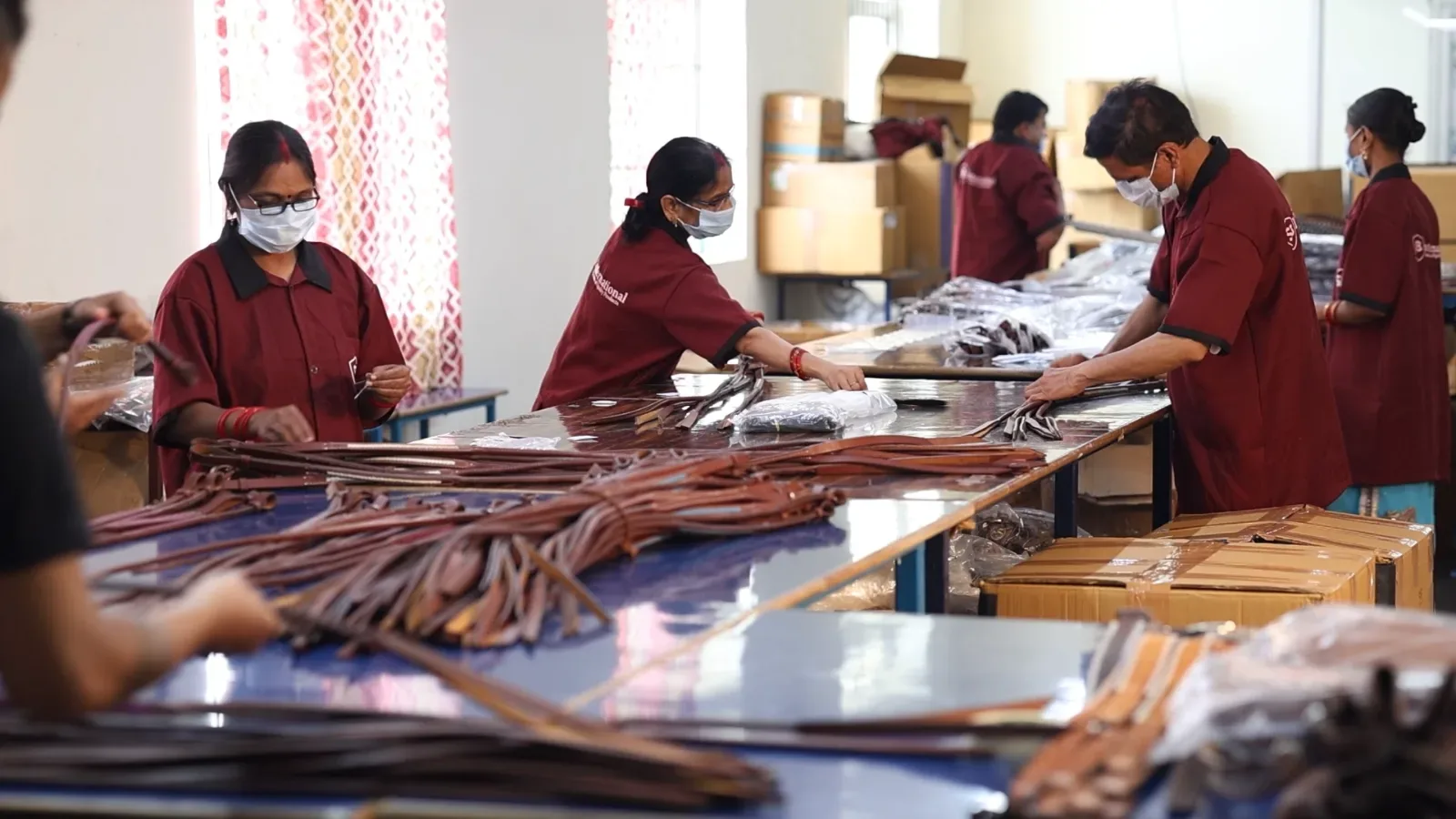
Even high-quality leather cannot compensate for poor construction. Stitching, seams, reinforcement, and assembly play a major role in a bag's durability.
Inspect the following areas:
Stitch consistency: Stitches should be reasonably uniform and appropriate for the material.
Seam alignment: Panels should meet neatly without unnecessary gaps or distortion.
Stress points: Handles, shoulder straps, and attachment points should have suitable reinforcement.
Edge finishing: Cut edges should be finished appropriately for the design.
Shape retention: The bag should maintain its intended structure when used as designed.
Pay particular attention to handles, strap connections, corners and closures. These areas experience repeated stress during normal use.
For manufacturers, maintaining consistent construction standards across a production run is just as important as producing an attractive sample.
4. Evaluate the Hardware, Lining, and Functional Details
A leather bag is made from more than leather. Zippers, buckles, clasps, rings, rivets, lining materials, and other components influence its usability and overall quality.
A well-designed bag should have hardware that suits its intended use and construction.
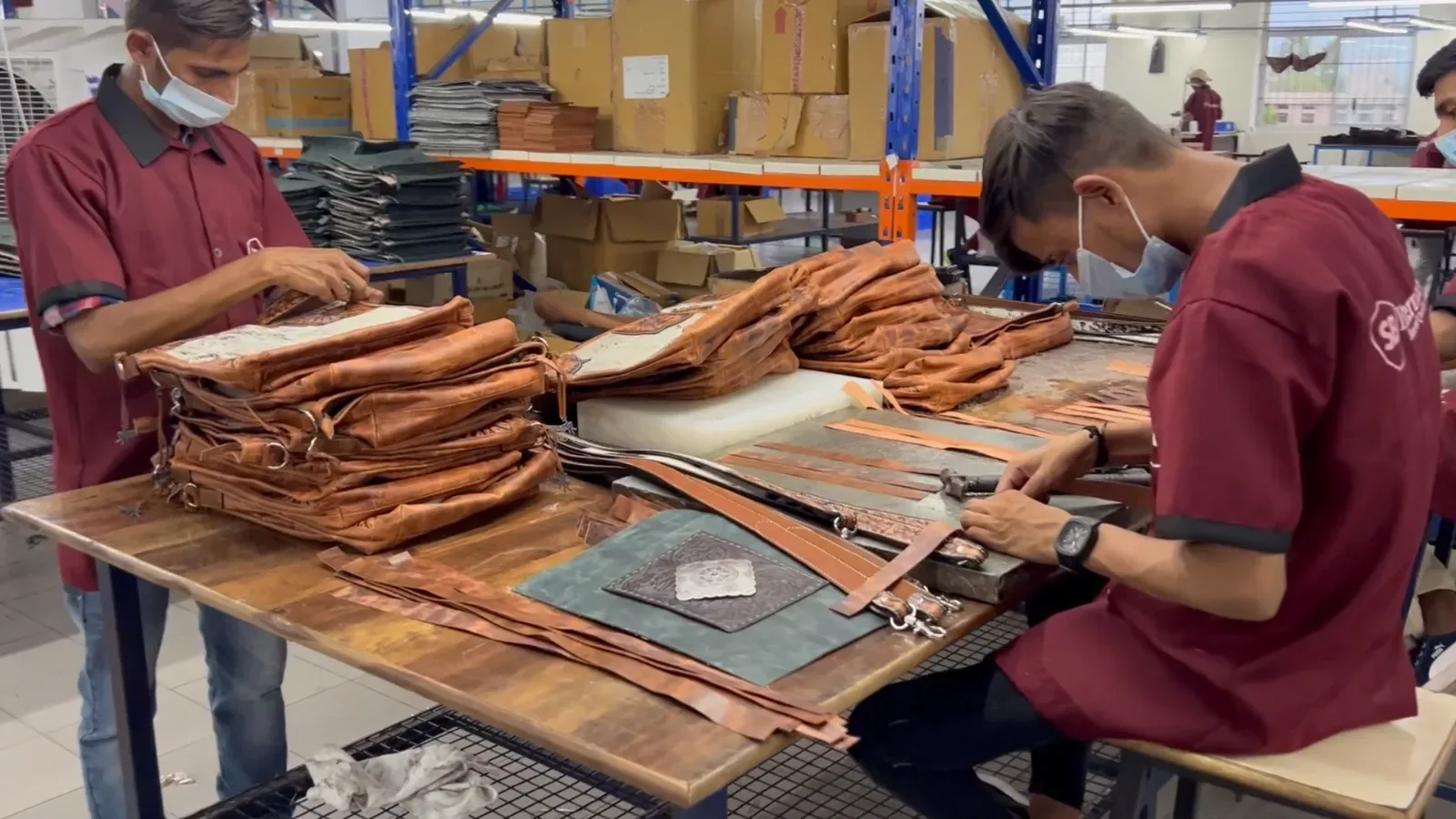
Check whether:
- Zippers open and close smoothly.
- Buckles and clasps operate securely.
- Metal components are appropriately finished.
- Lining seams are neat and functional.
- Pockets and compartments suit the intended purpose.
- Handles and straps feel secure at their attachment points.
The quality of these components should be evaluated alongside the leather. A premium exterior with unreliable closures or poorly attached handles may not deliver the expected performance.
For B2B buyers, component specifications should be agreed upon during product development. This helps ensure that the approved sample and bulk production meet the same requirements.
5. Consider Durability, Maintenance, and Long-Term Value
A leather bag's durability depends on several interacting factors, including leather selection, construction, hardware, usage, and care.
Full-grain leather may develop a patina with use, while coated or corrected-grain surfaces may retain a more uniform appearance depending on their finish. Neither characteristic alone determines the overall quality of the finished bag.
Before buying, consider:
- How frequently the bag will be used.
- Whether it needs to carry heavy items.
- How its leather finish responds to normal handling.
- Whether the material requires specialised care.
- Whether replacement hardware or repairs are practical.
Leather generally benefits from appropriate storage, protection from prolonged moisture, and care products suited to its particular finish. Excessive heat and unsuitable cleaning agents can damage some leather surfaces.
For businesses, durability should be assessed against the product's intended market and expected use rather than relying on appearance alone.
6. Compare Craftsmanship and Quality Control, Not Just Price
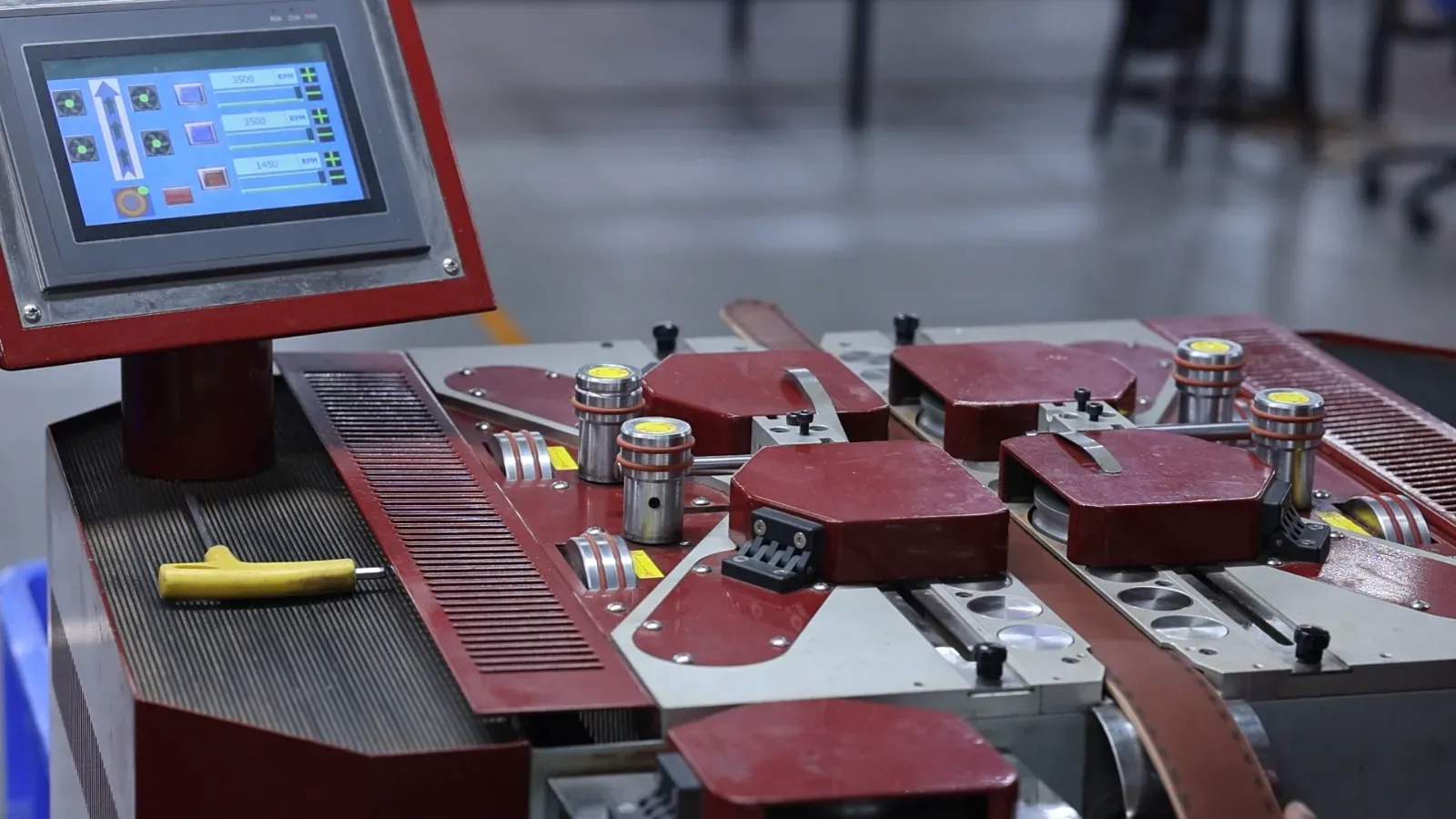
Two leather bags made from similar materials can differ significantly in their overall quality because of differences in design, workmanship, components, and inspection.
A useful comparison considers the complete manufacturing process, from raw-material selection to final packaging.
For B2B buyers evaluating manufacturers, important questions include:
Are material specifications clearly documented?
Is there a defined sample approval process?
Are raw materials inspected before production?
Are quality checks performed at different production stages?
Are finished products checked against agreed specifications?
Can the manufacturer maintain consistency across repeat orders?
These questions are particularly relevant to importers, wholesalers, retailers, and fashion brands ordering products at scale.
At SB International, established in 2003 in Kanpur, India, manufacturing combines skilled craftsmanship with modern production capabilities. The company's process includes sourcing, in-house design, production, stage-wise quality checks, packing, and shipping.
SB International follows quality-management processes aligned with ISO 9001:2015 standards and offers a broad portfolio of leather products for international B2B markets.
For buyers, understanding a manufacturer's actual processes is more useful than relying solely on a premium price or general quality claims.
7. Look Beyond the Price Tag When Choosing a Manufacturer
For individual consumers, the right leather bag is one that balances quality, function, design, and budget. For businesses, the decision involves additional considerations, including production capacity, customisation, communication, repeat-order consistency, and export requirements.
Before selecting a leather goods manufacturer, assess:
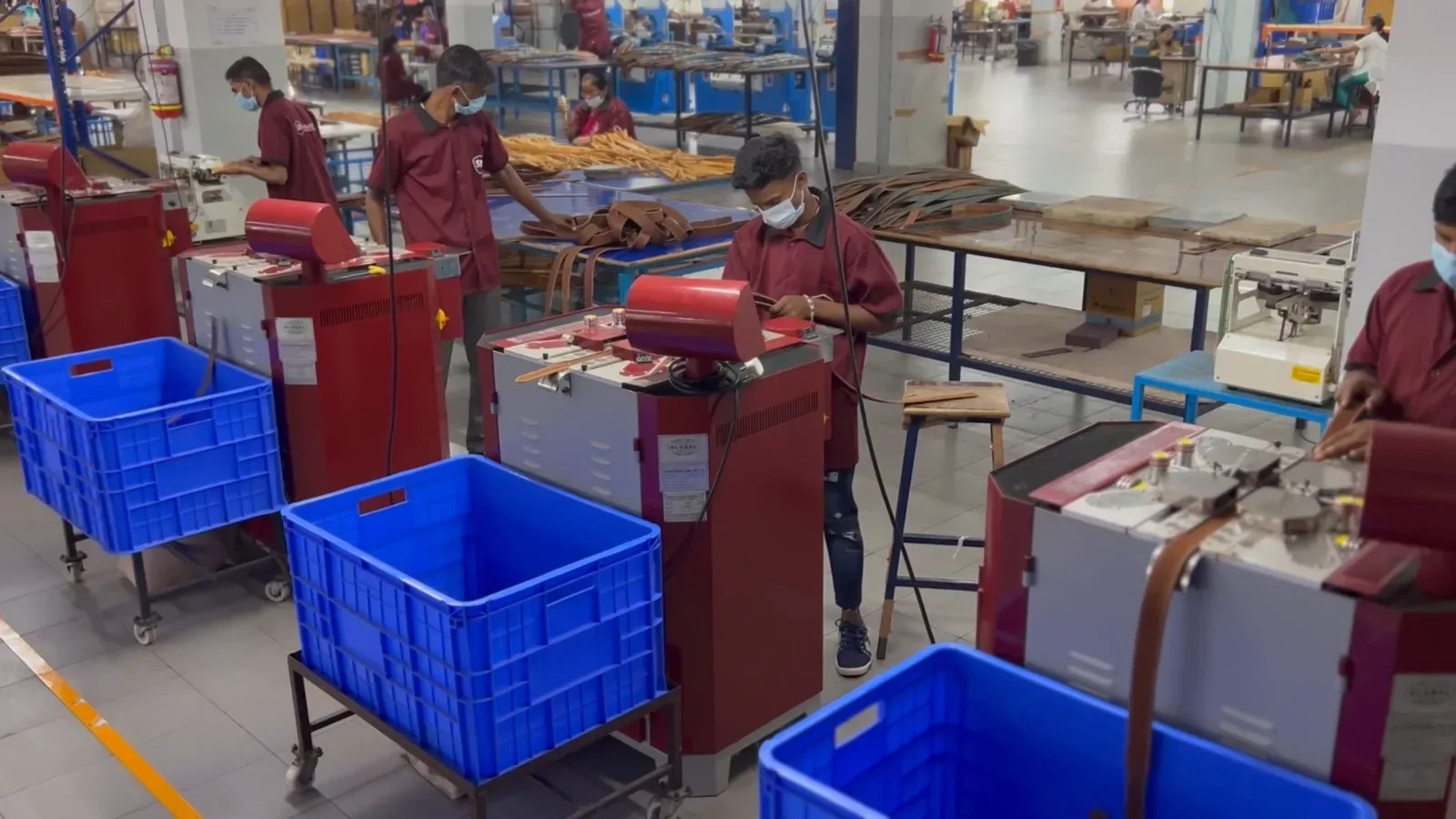
Material capability: Can the supplier work with the leather types, finishes, and components required for your collection?
Product development: Can the manufacturer support design development, sampling, and agreed product specifications?
Production capacity: Can the facility accommodate your planned order volumes and future growth?
Quality management: Are inspection procedures and acceptance criteria clearly defined?
Export readiness: Can the supplier coordinate packaging, labelling, barcoding, and export documentation according to customer requirements?
Product range: Can you source complementary products through one manufacturing partner when appropriate?
SB International serves B2B markets with a portfolio that includes fashion bags, Western bags, belts and wallets, equestrian leather products, and footwear such as English riding boots and Western cowboy boots.
The company has expanded its manufacturing capacity fourfold with the addition of a 195,000-square-foot manufacturing space at its Rooma, Kanpur campus. Its operations are supported by ISO 9001:2015 quality-management certification, Sedex certification, and Two Star Export House recognition.
For brands and importers, these capabilities provide useful starting points when evaluating a potential manufacturing partner. Product suitability, specifications, and commercial requirements should still be assessed for each project.
Leather Bag Quality Checklist: What Should You Inspect?
Use this checklist when evaluating a leather bag or reviewing a product sample before placing a larger order.
Confirm the leather type and finish.
Inspect the surface for unexplained damage or peeling.
Examine stitching, seams, and reinforced stress points.
Check the quality and operation of zippers, buckles, and clasps.
Review lining, pockets, handles, and strap attachments.
Confirm that dimensions and construction match the specifications.
Review care instructions and expected use.
For B2B orders, approve the sample and agree on quality-control requirements.
A checklist cannot replace appropriate material testing or formal product inspection, but it helps buyers identify issues that deserve closer attention.
Final Thoughts: Quality Is More Than a Price
An expensive leather bag is not automatically a better leather bag. The real value comes from the relationship between material selection, construction, workmanship, functional design, and long-term performance.
For consumers, understanding these factors makes it easier to choose products that suit their needs and budget. For fashion brands, wholesalers, retailers, and importers, the same knowledge supports better sourcing decisions and stronger product specifications.
Established in 2003, SB International brings together leather craftsmanship, modern manufacturing, and quality-management processes to serve global B2B markets across fashion accessories, bags, belts, wallets, footwear, and equestrian products.
Looking for a leather goods manufacturing partner for your next collection?
Explore SB International's product range or contact the SB International team to discuss your B2B sourcing requirements.
Frequently asked questions.
Is expensive leather always better quality?
No. Price can reflect material quality and craftsmanship, but it can also reflect branding, design, and retail costs. Evaluate the leather, construction, hardware, finishing, and intended use before making a decision.
How can you identify a quality leather bag?
Check the stated leather type, surface finish, stitching, seam alignment, handle attachments, hardware, lining, and overall construction. For business purchases, also review material specifications, sample approval, and quality-control procedures.
Is full-grain leather better than top-grain leather?
Full-grain leather retains more of the natural grain surface, while top-grain leather is processed to create a more uniform surface. The better option depends on the desired appearance, performance, finish, and application.
What makes a leather bag durable?
Durability depends on the combination of leather properties, finishing, construction, stitching, hardware, reinforcement, usage, and care. No single material characteristic guarantees that an entire bag will perform well.
What should businesses check before choosing a leather bag manufacturer?
Businesses should assess material capability, design development, sampling, production capacity, quality management, packaging, export documentation, communication, and the ability to meet agreed specifications consistently.
Why should brands work with an experienced leather goods manufacturer?
An experienced manufacturer can help coordinate material selection, product development, production, quality checks, and export preparation. Buyers should evaluate the manufacturer's actual capabilities and suitability for their requirements.
Sourcing leather goods?
Tell us what you need and our export desk will come back within a business day.